Be yourself; Everyone else is already taken.
— Oscar Wilde.
This is the first post on my new blog. I’m just getting this new blog going, so stay tuned for more. Subscribe below to get notified when I post new updates.
Be yourself; Everyone else is already taken.
— Oscar Wilde.
This is the first post on my new blog. I’m just getting this new blog going, so stay tuned for more. Subscribe below to get notified when I post new updates.
Almost every vountry, nowadays, is maintaining historical and cultural attractions so that, more and more tourists get a chance to visit it and learn more about the history and culture it preserves. Moreover, many countries also take this as an opportunity to generate healthy revenue, by charging higher entry fees to the foreigners as compared to the local people. In my view, to a large extent, i agree with topic, but , in some way, it may backfire as well.

This paragargh will shed some light on the positive of placing high admission fees for the foreigners. firstly, foreign countries have high currency rates. Hence, when foreigners visit different countries, at certain historical and cultural places, they are changed more according to their currencies. As a result, they end up paying more as compared to the local people. Now, this not only generator an extraordinary income which can be invested in maintaing and renovating the places as per the demands, but also can positively contribute to a nation’s economy. As an epitome, in india, the government at certain histrorical places, such as Taj -mahal, kutubhminar Red-fort after imposing different pricing for the foreigners, have observed 7% elevation in their economy per year, from 2011-2018. Thus, such a step will always be fruitful.
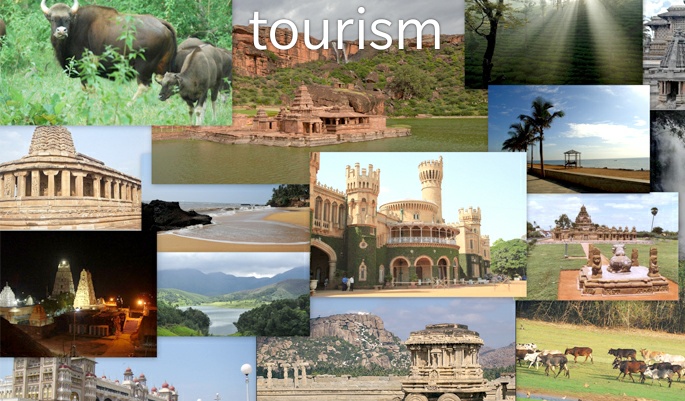
Conversely, such a decision may also impact negatively on the tourism of a country. To begin with, different tariffs for the national and international people may also reflect as an issue of discrimination among them. Moreever, this would appear as an injustice to the foreign crowd which will then feel, that their presance is merely seen from a. Business point of view. Consequently, the foreign tourists might feel offended and can further spoil the image of the country by spreading such facts in their native places. Hence, this way, it can also defame a country.
This is an example post, originally published as part of Blogging University. Enroll in one of our ten programs, and start your blog right.
You’re going to publish a post today. Don’t worry about how your blog looks. Don’t worry if you haven’t given it a name yet, or you’re feeling overwhelmed. Just click the “New Post” button, and tell us why you’re here.
Why do this?
The post can be short or long, a personal intro to your life or a bloggy mission statement, a manifesto for the future or a simple outline of your the types of things you hope to publish.
To help you get started, here are a few questions:
You’re not locked into any of this; one of the wonderful things about blogs is how they constantly evolve as we learn, grow, and interact with one another — but it’s good to know where and why you started, and articulating your goals may just give you a few other post ideas.
Can’t think how to get started? Just write the first thing that pops into your head. Anne Lamott, author of a book on writing we love, says that you need to give yourself permission to write a “crappy first draft”. Anne makes a great point — just start writing, and worry about editing it later.
When you’re ready to publish, give your post three to five tags that describe your blog’s focus — writing, photography, fiction, parenting, food, cars, movies, sports, whatever. These tags will help others who care about your topics find you in the Reader. Make sure one of the tags is “zerotohero,” so other new bloggers can find you, too.

 talk2fact